

summer school 2026 - online studio
Placemaking through Print
A 5-week online summer school with Karen Wicks
A gentle, structured way to build creative momentum through noticing, recording and low-fi printmaking.
An invitation
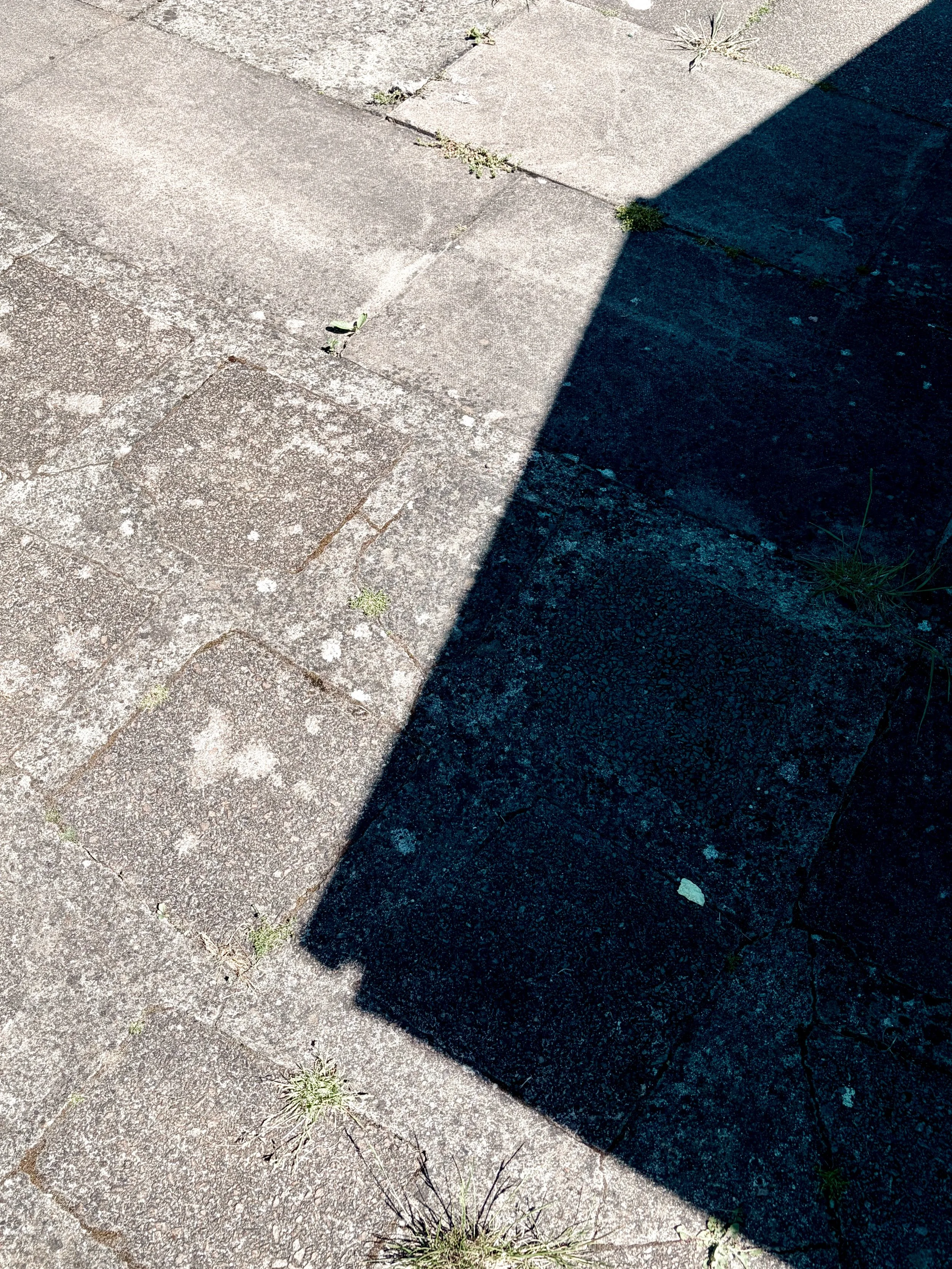
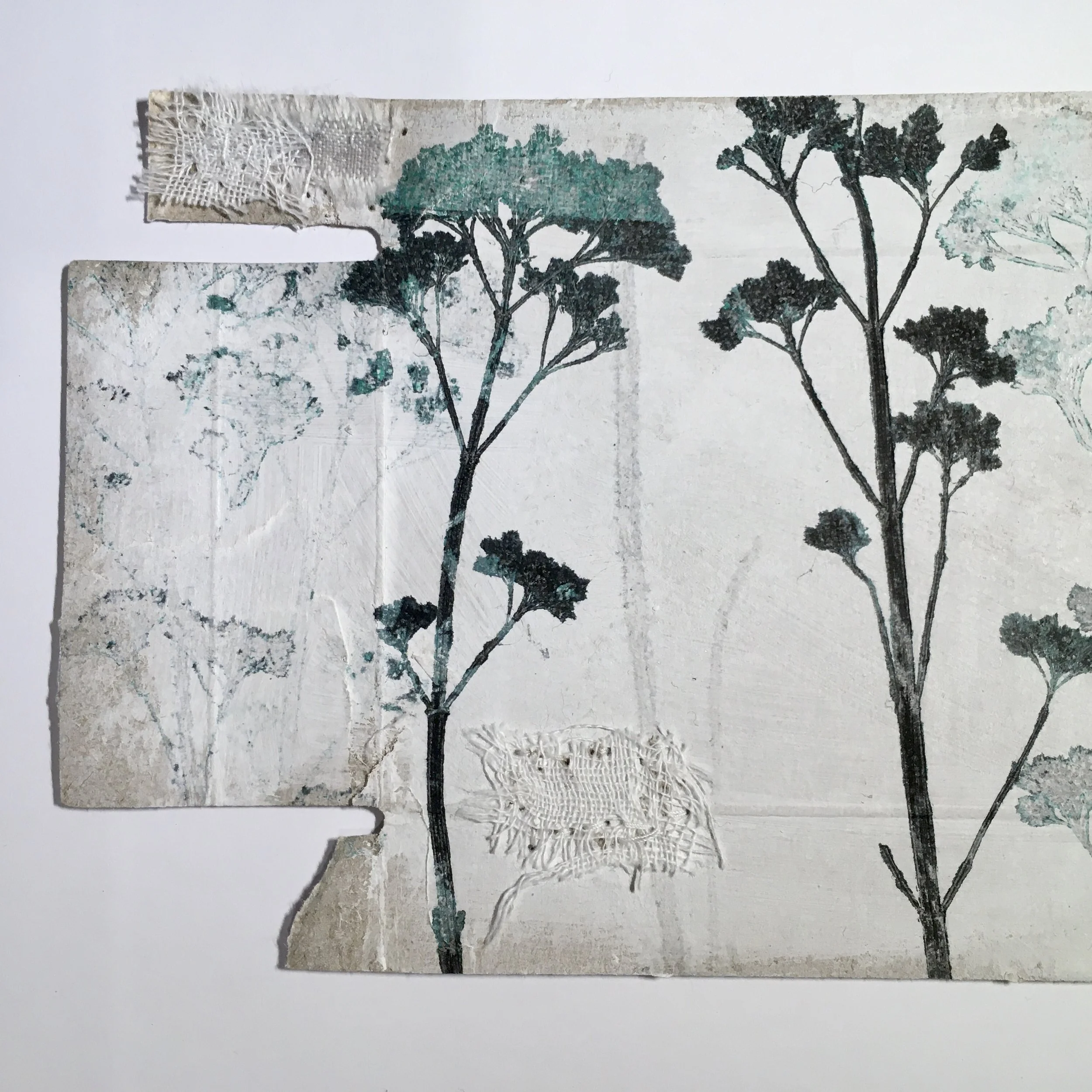
This five-week online programme offers a space to slow down, notice more deeply, and develop a creative response to place through simple printmaking processes.
Working from your own surroundings, however ordinary or overlooked, you’ll be guided through a series of open-ended prompts designed to build observation, recording and making skills over time.
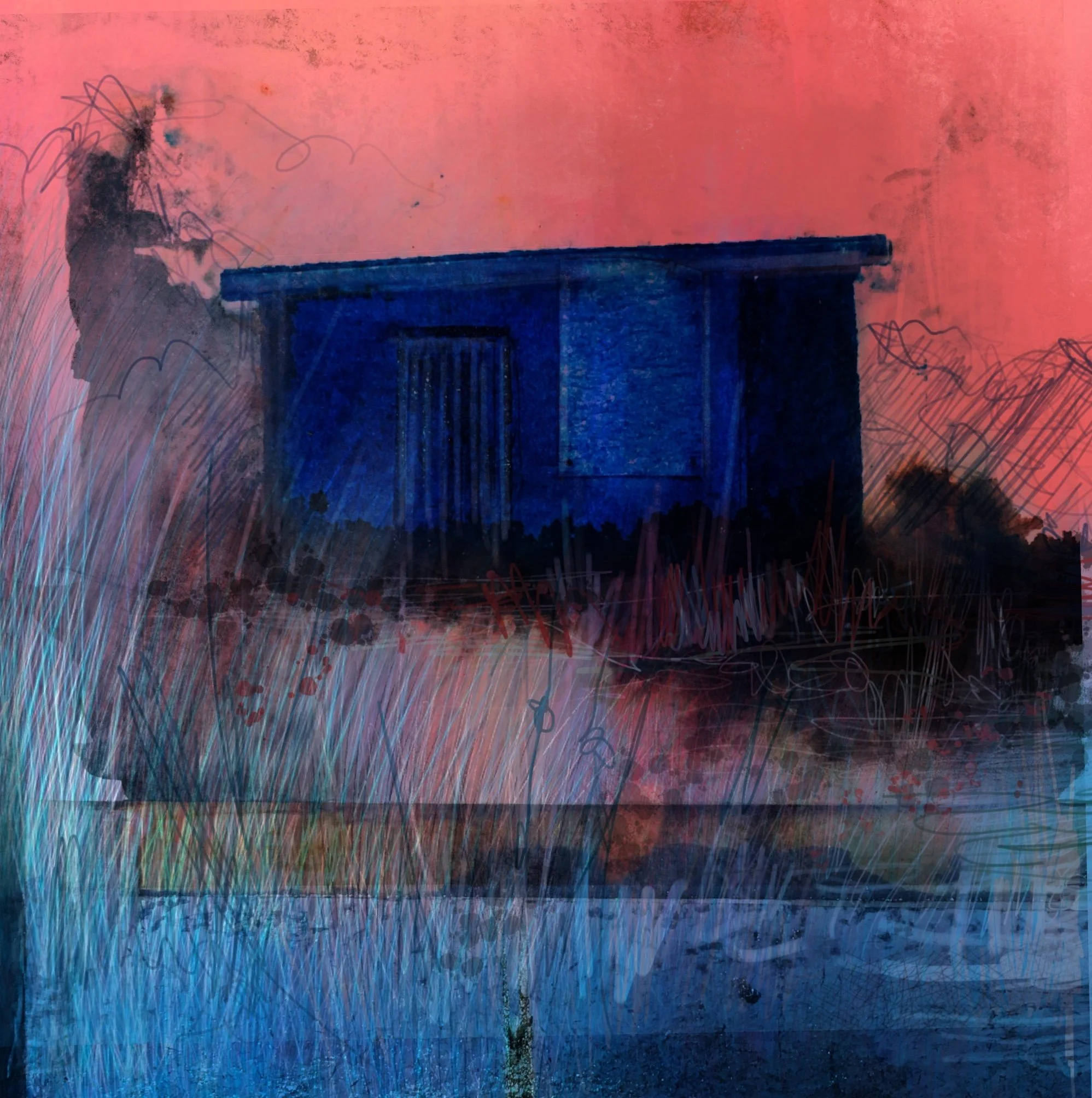
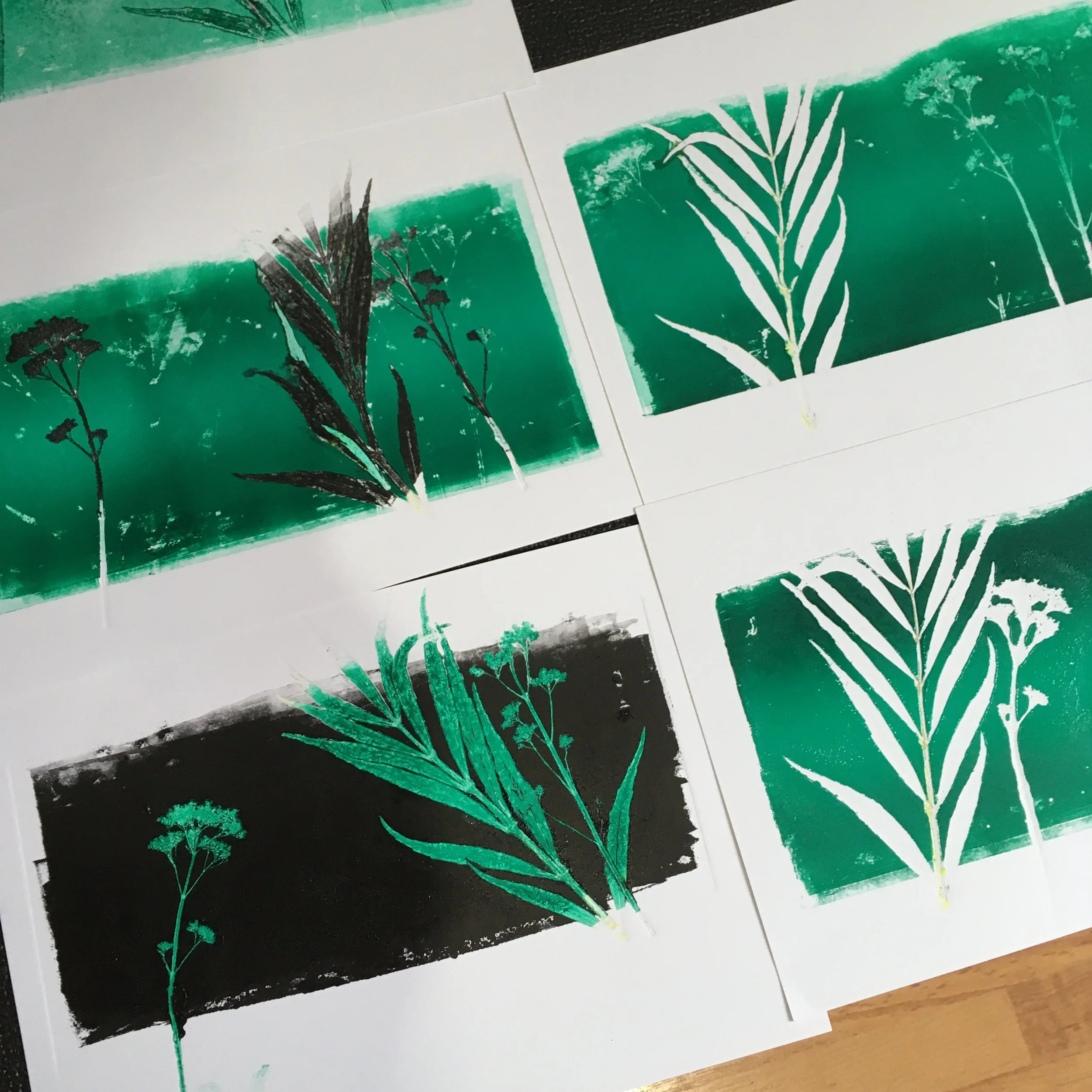
Using accessible, low-fi techniques at the kitchen or dining table, we’ll explore repetition, layering, tracing and translation, allowing work to evolve through process rather than aiming for finished outcomes.
Alongside practical ‘how to’ guidance, this course is rooted in something central to my practice: holding space for others to unfold their creativity, with support, structure and room for experimentation.

How the course works
Each weekly session (2 hours, live on Zoom) includes:
a short introduction and visual stimulus
simple printmaking demonstrations
an open-ended creative prompt
time to make together
group reflection and gentle peer feedback
Alongside this:
optional prompts between sessions
a shared Padlet studio space to document and respond to work
a small, supportive group dynamic
This creates a temporary shared studio environment online, where work can sit, evolve and be witnessed over time.
Who this is for
This course may suit you if:
you feel creatively stuck or in transition
you want a reason to make regularly with some structure
you’re curious about printmaking but unsure how to begin
you’re looking for a supportive, process-led approach
You don’t need:
a studio
specialist equipment
previous experience
Just a willingness to experiment and see where things lead.
Small group experience
To keep the course collaborative and supportive, group sizes are intentionally small. This course is designed not just as a set of sessions, but as a contained creative experience — a way of building momentum, developing ideas and working in a supported, consistent rhythm.
The small group size means you’ll be part of an active, engaged space where your work is seen and supported over time.
This allows:
space for everyone to share
meaningful feedback and discussion
a sense of continuity over the five weeks
Places are limited for each cohort.
What you’ll leave with
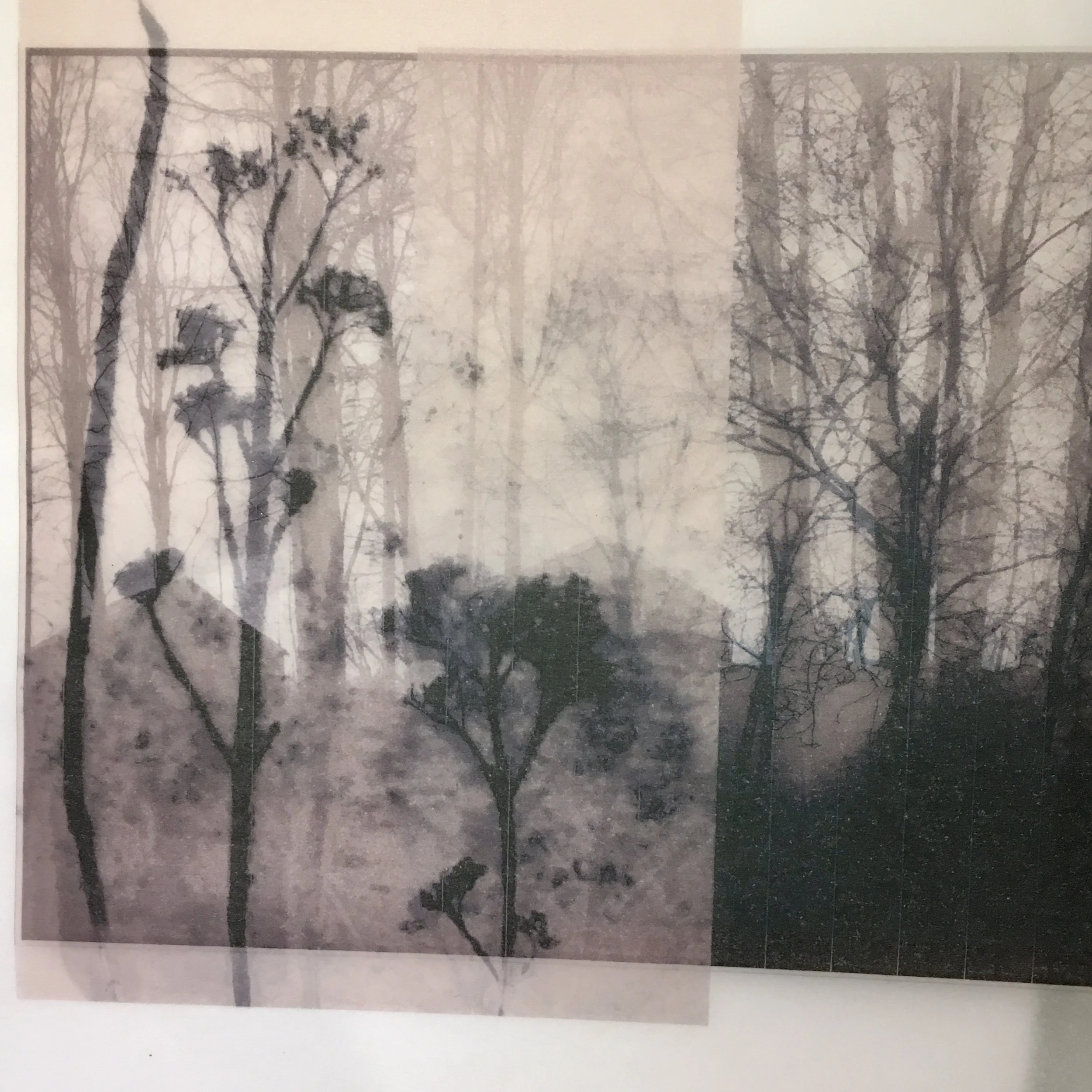
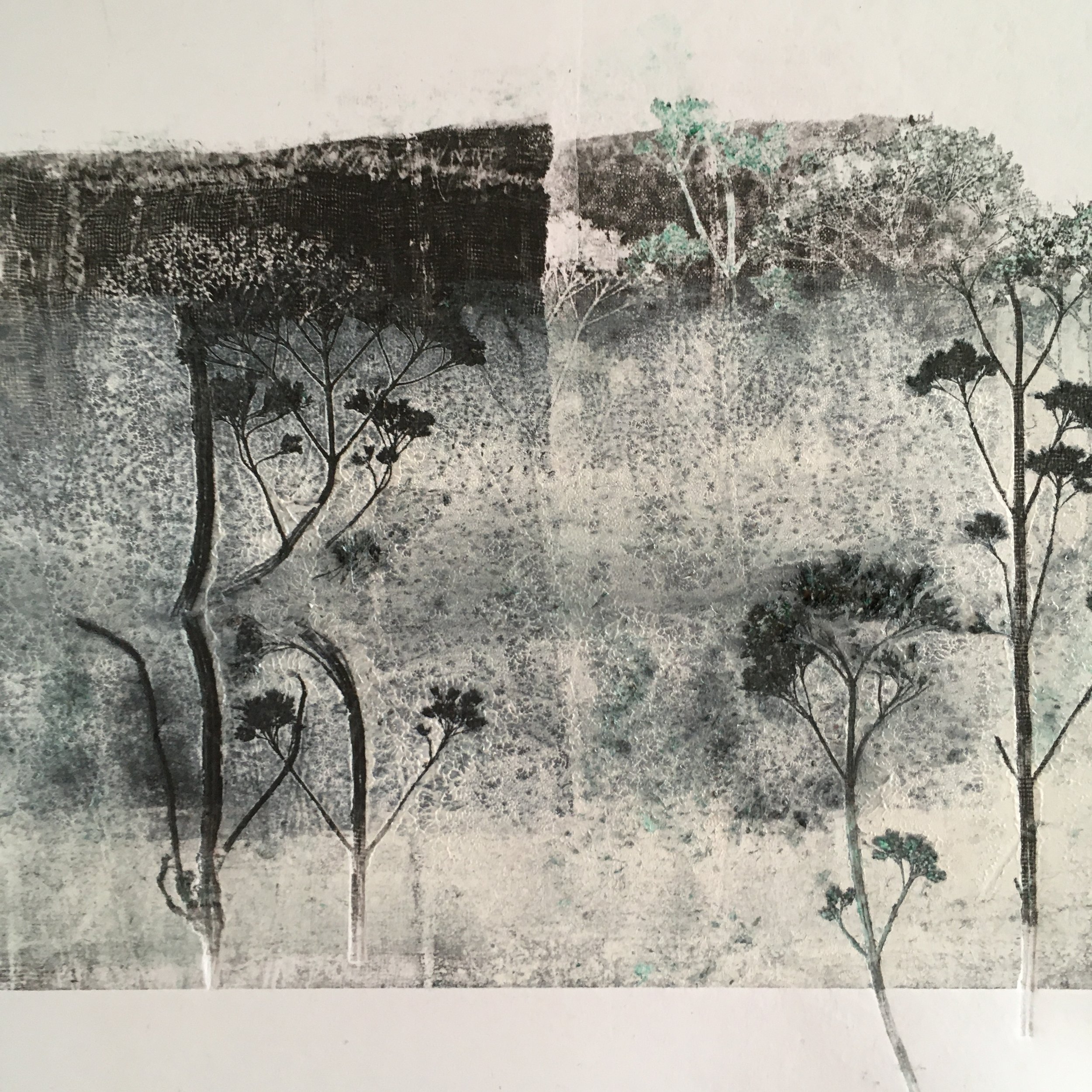
a body of exploratory print-based work
practical methods for low-fi printmaking at home
strengthened observation and recording skills
renewed creative momentum
a sense of connection to a small, supportive creative group
Dates and times
Sunday cohort
Dates: 12 July – 9 August
Time: 16:00 – 18:00 (UK BST)
New York: 11:00 – 13:00
Los Angeles: 08:00 – 10:00
Europe: 17:00 – 19:00
Tuesday cohort
Dates: 21 July – 18 August
Time: 15:00 – 17:00 (UK BST)
New York: 10:00 – 12:00
Los Angeles: 07:00 – 09:00
Europe: 16:00 – 18:00
Frequently Asked Questions
Do I need any experience in printmaking?
No — this course is suitable for beginners as well as more experienced artists.
The emphasis is on process, exploration and developing your own response, rather than on technical perfection. You’ll be guided through simple approaches that are accessible and adaptable.
What materials will I need?
You won’t need specialist equipment or a studio setup.
The course uses simple, low-fi materials that can be used at a kitchen or dining table. A suggested materials list will be shared in advance, using things that are easy to source (and often already at home).
What if I can’t attend a live session?
It’s strongly recommended to attend live if you can, as the sessions are collaborative and include shared making and reflection.
However, recordings can be made available if you need to miss a session, and you’ll still be able to engage through the Padlet space.
How much time will I need each week?
Each live session is 2 hours.
There are optional prompts between sessions if you’d like to continue developing your work, but there is no requirement to produce work outside the sessions.
You can engage at a level that suits your time and energy.
What is the Padlet and how is it used?
The Padlet acts as a shared studio space online.
You can:
upload work in progress
respond to others’ work
reflect on your own process
It’s a supportive, informal environment — more about gentle witnessing and shared enquiry than formal critique.
How many people will be in the group?
Group sizes are intentionally kept small.
This allows for:
a supportive atmosphere
time for everyone to share
meaningful feedback and connection
Spaces are limited to ten to maintain this experience.
Is this more about learning techniques or developing ideas?
It’s a balance of both.
You’ll learn simple printmaking approaches, but the course is equally focused on:
developing ways of noticing and recording
building a personal visual language
working in an open-ended, exploratory way
It’s as much about how you work as what you make.
I’m feeling a bit stuck creatively — would this be suitable?
Yes — this course is particularly well suited to that situation.
The structure, prompts and small group setting are designed to provide:
a gentle starting point
a sense of accountability
support from others working alongside you
Many people find that working within a contained framework helps things begin to shift.
I’m not sure if it’s right for me — can I ask first?
Absolutely.
You’re very welcome to get in touch if you’d like to:
check whether it suits your experience level
ask about materials or time commitment
talk through whether it aligns with what you’re looking for
How do I choose between the Sunday and Tuesday groups?
Both cohorts follow the same structure and content.
You can choose based on:
which day suits your routine
whether you prefer a weekend or weekday rhythm
Some people prefer Sundays for a more reflective pace, while Tuesdays may suit those looking for a midweek structure.
What makes this course different?
Alongside practical instruction, the course is designed as a held creative space.
This means:
space for experimentation without pressure
support from both tutor and group
a balance of structure and openness
The focus is not just on learning techniques, but on developing a sustainable, responsive creative practice.
If you have a question that isn’t covered here, you’re very welcome to get in touch — I’d be happy to hear from you.